Why Slag Inclusion Occurs in Ductile Iron and How Foundries Can Stop It
In today’s competitive casting industry, delivering high-quality ductile iron components is no longer optional—it is essential. Automotive, infrastructure, machinery, and engineering clients expect castings that meet strict dimensional, mechanical, and surface standards. Even minor defects can lead to rejection, rework, delayed shipments, and damaged business relationships.

One of the most common and costly defects in ductile iron production is slag inclusion. These non-metallic impurities trapped inside castings weaken the structure, reduce performance, and increase scrap rates. For foundries focused on long-term growth and customer satisfaction, Eliminating Slag Inclusion Defects Of Ductile Iron Castings must be a top priority.
In this article, we explain why slag inclusion occurs, how it affects casting quality, and what practical steps foundries can take to prevent it. We also share proven industry practices followed by experienced suppliers like Bansal Brothers to ensure clean and consistent ductile iron production.
Understanding Slag Inclusion in Ductile Iron
Slag inclusion refers to the presence of non-metallic materials trapped inside or on the surface of a casting. These materials may include:
Oxides
Silicates
Sulfides
Refractory particles
Flux residues
When molten iron flows into the mold, these impurities can get carried along and become embedded in the solid metal. Once trapped, they cannot be removed and permanently affect the quality of the casting.
In ductile iron, slag inclusion is particularly dangerous because it interferes with graphite nodularity and reduces mechanical strength. This can result in:
Reduced tensile strength
Lower impact resistance
Poor machinability
Surface defects
Internal cracks
For B2B customers who use castings in critical applications, such defects are unacceptable.
Why Slag Inclusion Occurs in Ductile Iron Production
To eliminate slag defects, foundries must first understand their root causes. In most cases, slag inclusion does not result from a single issue but from multiple process weaknesses.
1. Poor Melt Cleanliness
One of the main reasons for slag formation is dirty molten metal. Impurities enter the melt from:
Low-quality raw materials
Rusted scrap
Contaminated returns
Excessive slag from previous heats
When these materials are melted, they generate oxides and non-metallic residues that float on the metal surface. If not properly removed, they mix into the metal stream during pouring.
2. Improper Furnace Operation
Furnace practices play a major role in slag formation. Common issues include:
Overheating the melt
Inadequate slag skimming
Excessive oxygen exposure
Inconsistent temperature control
High temperatures accelerate oxidation, while poor skimming allows slag to remain in the bath. Both conditions increase the risk of inclusions.
3. Ineffective Deslagging Practices
Many foundries underestimate the importance of proper deslagging. Manual skimming without suitable tools, irregular cleaning schedules, or rushing through the process often leaves slag behind.
Incomplete slag removal is one of the biggest contributors to internal casting defects.
4. Magnesium Treatment and Inoculation Problems
Ductile iron production requires magnesium treatment and inoculation to form nodular graphite. However, improper treatment can create additional slag.
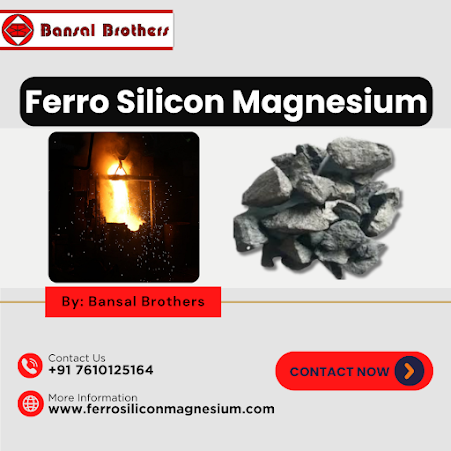
Using poor-quality nodulizers or incorrect treatment methods can generate excessive reaction products. Even high-grade materials like Ferro Silicon Magnesium must be handled and added correctly to avoid unwanted residues.
5. Turbulent Metal Flow During Pouring
High turbulence during metal transfer and pouring causes slag to mix into the molten stream. This happens due to:
High pouring velocity
Improper gating design
Splashing in ladles
Uneven mold filling
Once slag enters the mold cavity, it gets trapped and solidifies with the metal.
6. Poor Ladle and Refractory Maintenance
Worn-out ladle linings, damaged refractory coatings, and loose particles also contribute to inclusions. When these materials erode, they mix into molten iron and act as foreign matter.
Regular inspection and maintenance are often neglected, leading to recurring quality issues.
Impact of Slag Inclusion on Business Performance
For B2B foundries, slag defects are not just technical problems—they are business risks.
Increased Rejection Rates: Castings with internal or surface slag defects are frequently rejected by customers. This leads to higher scrap rates and wasted production time.
Higher Production Costs: Rework, remelting, and quality inspections increase operational expenses. Over time, these hidden costs reduce profit margins.
Loss of Customer Trust: Industrial buyers prefer suppliers who deliver consistent quality. Repeated defects can result in order cancellations, loss of long-term contracts, and reputational damage.
Reduced Market Competitiveness: In global markets, quality is a key differentiator. Foundries with high defect rates struggle to compete with technologically advanced suppliers.
Practical Methods to Stop Slag Inclusion in Ductile Iron
Now let us explore how foundries can effectively control and prevent slag defects.
1. Use High-Quality Raw Materials
The foundation of clean metal is clean input.
Foundries should:
Source scrap from reliable suppliers
Avoid oily, rusty, or painted materials
Segregate different grades
Store materials in dry conditions
Working with trusted partners like Bansal Brothers helps ensure consistent metallurgical quality and reliable supply of alloying materials.
2. Maintain Proper Furnace Discipline
Good furnace practices reduce slag formation at the source.
Key steps include:
Maintain optimal melting temperature
Avoid unnecessary overheating
Minimize air exposure
Remove slag regularly
Clean furnace linings
Standard operating procedures and operator training are essential for consistent results.
3. Implement Effective Deslagging Techniques
Deslagging should be treated as a critical quality step, not a routine task.
Best practices include:
Skim slag before and after treatment
Use proper skimming tools
Avoid disturbing clean metal
Perform multiple skimming cycles if needed
Automated or assisted skimming systems can further improve efficiency.
4. Optimize Magnesium Treatment and Inoculation
Proper nodularization is vital for ductile iron quality.
To minimize slag:
Use high-purity Ferro Silicon Magnesium
Follow controlled addition methods
Maintain proper treatment temperature
Ensure complete dissolution
Avoid over-treatment
Process monitoring helps maintain consistency and reduces unwanted residues.
5. Improve Ladle Management
Ladles must be treated as part of the melting system, not just transfer vessels.
Recommended actions:
Clean ladles after each heat
Repair damaged refractories
Apply protective coatings
Preheat ladles properly
Clean ladles significantly reduce contamination risks.
6. Design Low-Turbulence Gating Systems
Gating and runner design greatly influence slag entrapment.
A well-designed system should:
Reduce metal velocity
Minimize splashing
Allow slag flotation
Include slag traps and filters
Ceramic filters are especially effective in capturing non-metallic inclusions before they reach the mold cavity.
7. Use Process Control and Testing
Modern foundries rely on data-driven quality management.
Useful tools include:
Thermal analysis
Spectrometry
Slag composition testing
Process audits
SPC charts
Regular monitoring helps identify problems before they affect production.
8. Train and Empower Shop-Floor Teams
Technology alone cannot eliminate defects. Skilled operators are equally important.
Foundries should:
Conduct regular training programs
Share defect analysis reports
Encourage process ownership
Reward quality improvements
A quality-focused culture leads to long-term success.
Role of Reliable Alloy Suppliers in Quality Control
Many slag-related issues originate from inconsistent alloy materials. Working with experienced suppliers ensures stability in production.
Bansal Brothers is known for supplying high-quality ferro alloys and nodulizing materials that support clean and efficient ductile iron manufacturing. Their technical expertise and quality assurance processes help foundries maintain reliable metallurgical performance.
By partnering with dependable suppliers, foundries reduce variability and strengthen their overall quality systems.
Building a Slag-Free Production Strategy
Achieving defect-free ductile iron is not about one-time fixes. It requires a systematic approach.
An effective strategy includes:
Raw material standardization
Process documentation
Equipment maintenance
Supplier collaboration
Continuous improvement programs
When these elements work together, foundries can achieve consistent success in Eliminating Slag inclusion defects of ductile iron castings.
Conclusion
Slag inclusion remains one of the biggest challenges in ductile iron production. However, it is also one of the most controllable defects when proper systems are in place.
By improving melt cleanliness, strengthening furnace discipline, optimizing treatment practices, upgrading pouring systems, and investing in workforce training, foundries can significantly reduce slag-related rejections.
For B2B manufacturers, quality is more than a technical parameter—it is a promise to customers. Foundries that prioritize defect prevention build stronger relationships, secure repeat business, and grow sustainably.
With the right processes and support from trusted partners like Bansal Brothers, producing clean, reliable, and high-performance ductile iron castings becomes a practical and achievable goal. #EliminatingSlagInclusionDefectsOfDuctileIronCastings #FerroSiliconMagnesium


Comments
Post a Comment