Key Metallurgical Methods for Producing High-Quality S.G. Iron
A Foundry-Focused Guide by Bansal Brothers
Spheroidal Graphite (S.G.) iron, also known as ductile iron, has become a backbone material for industries that demand strength, durability, and reliability. From automotive and tractor components to pipes, pumps, valves, and heavy engineering castings, S.G. iron is preferred for its superior mechanical performance compared to grey iron.

However, producing high-quality S.G. iron consistently requires more than basic melting and pouring. It demands precise metallurgical control, the right treatment method, and reliable nodulizing materials such as ferro silicon magnesium.
At Bansal Brothers, a trusted supplier of ferro alloys for the Indian and global foundry industry, we work closely with foundries to help them adopt the Best Methods To Make S G Iron with high recovery, stable nodularity, and reduced rejections. This article explains the key metallurgical methods that directly influence S.G. iron quality from a practical B2B perspective.
Understanding the Metallurgical Foundation of S.G. Iron
The defining characteristic of S.G. iron is the presence of spheroidal graphite nodules uniformly distributed within the iron matrix. Unlike flake graphite in grey iron, spheroidal graphite minimizes stress concentration and enhances:
Tensile strength
Elongation
Fatigue resistance
Impact toughness
This graphite transformation is achieved primarily through magnesium treatment, supported by proper base iron chemistry and controlled inoculation.
Importance of Clean and Controlled Base Iron
Before applying any treatment method, the quality of base iron must be ensured. Many nodularity-related defects originate not from the treatment method, but from poor melt preparation.
Key Base Iron Parameters:
Sulfur level preferably below 0.015%
Controlled phosphorus content
Stable carbon equivalent
Minimal slag and oxide inclusions
Sulfur plays a critical role because magnesium first reacts with sulfur before forming nodules. High sulfur levels reduce magnesium recovery and increase alloy consumption. Foundries that maintain low sulfur base iron achieve better results even with lower magnesium addition.
Role of Ferro Silicon Magnesium in S.G. Iron Production
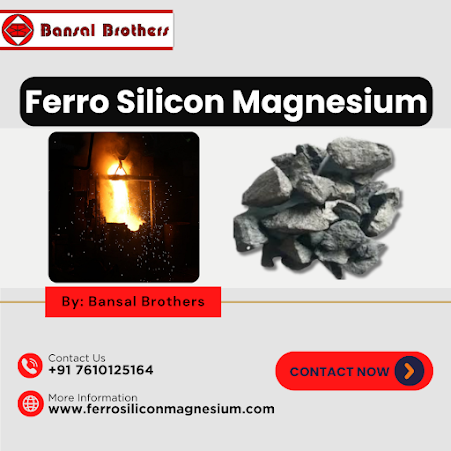
Ferro Silicon Magnesium is the most widely used nodulizing alloy for S.G. iron production. Its quality directly affects magnesium recovery, nodularity, and process consistency.
Why Foundries Choose Ferro Silicon Magnesium:
Controlled magnesium release
Improved graphite nodularity
Stable mechanical properties
Compatibility with multiple treatment methods
At Bansal Brothers, ferro silicon magnesium is supplied with consistent chemistry and controlled sizing, helping foundries achieve high recovery and repeatable results across different casting applications.
Best Methods to Make S G Iron: Proven Metallurgical Treatment Techniques
Selecting the correct magnesium treatment method is a strategic decision for foundries. Below are the most widely used and proven methods.
1. Sandwich Method – Traditional and Widely Adopted
The sandwich method remains one of the most popular methods for producing S.G. iron, especially in small and mid-sized foundries.
Process Description:
Ferro silicon magnesium is placed at the bottom of the treatment ladle
Covered with steel scrap or ferrosilicon
Molten iron is poured over the alloy
Advantages:
Low capital investment
Simple operation
Suitable for batch production
Compatible with standard ferro silicon magnesium grades
Limitations:
Moderate magnesium recovery
Higher fume generation
Operator-dependent consistency
Despite these limitations, when combined with high-quality ferro silicon magnesium from Bansal Brothers, many foundries achieve stable nodularity and acceptable recovery levels using the sandwich method.
2. Tundish Cover Method – Improved Control and Consistency
The tundish cover method is an upgraded version of ladle treatment and is preferred by export-oriented foundries.
How the Method Works:
Ferro silicon magnesium is placed in a covered reaction chamber
Molten iron flows through the chamber during pouring
Magnesium reaction occurs in a semi-controlled environment
Key Benefits:
Higher magnesium recovery than sandwich method
Reduced splashing and smoke
Better nodularity control
Lower magnesium fade
Foundries aiming for consistent S.G. Iron quality often adopts this method with low-Mg-loss ferro silicon magnesium supplied by experienced manufacturers like Bansal Brothers.
3. Cored Wire Injection – Advanced and High-Precision Method
Cored Wire Injection is considered one of the most advanced and efficient magnesium treatment methods in modern foundries.
Process Overview:
Magnesium or ferro silicon magnesium-filled wire is injected into molten iron
Injection speed and depth are precisely controlled
Reaction occurs below the surface, reducing oxidation
Advantages of Cored Wire Injection:
Very high magnesium recovery
Excellent process repeatability
Reduced temperature loss
Safer and cleaner working environment
Ideal for automation and high-volume production
For OEM suppliers and automotive foundries, cored wire injection combined with high-purity ferro silicon magnesium offers unmatched consistency and quality.
In-Mould Treatment – Application-Specific Method
In-mould treatment introduces ferro silicon magnesium directly into the mould gating system.
Suitable For:
Small castings
Thin-wall components
Limited production runs
Challenges:
Sensitive to mould design
Limited flexibility for large castings
Not ideal for mass production
While not a universal solution, this method can deliver excellent results when properly engineered.
Importance of Post-Inoculation in S.G. Iron
Magnesium treatment alone does not guarantee optimal microstructure. Post-inoculation is essential to refine graphite distribution and prevent carbides.
Benefits of Proper Inoculation:
Higher nodule count
Reduced chill tendency
Improved surface finish
Enhanced mechanical properties
Many foundries use ferrosilicon inoculants immediately after treatment or during pouring to stabilize results.
Controlling Magnesium Fade for Consistent Quality
Magnesium fade refers to the gradual loss of nodulizing effectiveness after treatment.
Factors Influencing Fade:
Holding time
Melt temperature
Oxygen and sulfur content
Quality of ferro silicon magnesium
Using high-recovery ferro silicon magnesium from Bansal Brothers, optimizing holding times, and adopting methods like cored wire injection significantly reduce fade-related defects.
Quality Control: The Backbone of Reliable S.G. Iron
Producing high-quality S.G. iron requires continuous metallurgical monitoring.
Essential Checks:
Magnesium content analysis
Nodularity and nodule count measurement
Microstructure examination
Mechanical testing (tensile, elongation, impact)
Foundries that combine strong process control with reliable alloy supply partners achieve lower rejection rates and higher customer satisfaction.
Why Foundries Trust Bansal Brothers
From a B2B perspective, alloy consistency and technical reliability matter as much as price.
Bansal Brothers Supports Foundries With:
Consistent-quality ferro silicon magnesium
Grades suitable for multiple treatment methods
Reliable supply for domestic and export markets
Technical understanding of foundry requirements
By aligning metallurgical knowledge with dependable supply, Bansal Brothers helps foundries implement the best methods to make S G iron efficiently and profitably.
Conclusion
Producing high-quality S.G. iron is a result of disciplined metallurgy, correct treatment selection, and trusted raw material sourcing. Whether using the sandwich method, tundish cover method, or advanced cored wire injection, the foundation remains the same—clean base iron and reliable ferro silicon magnesium.
Foundries that focus on process optimization and partner with experienced suppliers like Bansal Brothers are better positioned to meet global quality standards, reduce rejections, and build long-term B2B success.
#BestMethodsToMakeSGIron #FerroSiliconMagnesium #CoredWireInjection


Comments
Post a Comment