Why Slag Inclusion Defects Occur in Ductile Iron Castings—and How Foundries Solve Them
In ductile iron foundries, slag inclusion defects are more than a surface imperfection—they represent a significant quality and cost challenge. These defects can weaken mechanical properties, create machining issues, increase rejection rates, and ultimately affect long-term customer relationships.

For foundry managers, metallurgists, and industrial buyers, understanding why slag inclusions occur—and how reliable foundries prevent them—is critical for maintaining consistent casting quality and meeting demanding application standards.
This article explains the root causes of slag inclusion defects, their impact on ductile iron performance, and the practical solutions leading foundries use to control and eliminate them.
What Are Slag Inclusion Defects in Ductile Iron?
Slag inclusions are non-metallic impurities trapped within or on the surface of ductile iron castings. These inclusions are typically composed of oxides, silicates, sulfides, and residues generated during melting and treatment processes.
They may appear as surface blemishes or remain hidden inside the casting, often detected only during machining or inspection. In both cases, inclusions compromise the integrity and reliability of the final component.
Why Slag Inclusion Defects Occur in Ductile Iron Castings
Slag inclusion defects usually result from multiple process variables, rather than a single failure point.
1. Poor Melt Cleanliness
Melt cleanliness is one of the most critical factors influencing casting quality. During melting, iron reacts with oxygen and other elements to form slag. If this slag is not effectively removed, it remains suspended in the molten metal and becomes trapped during solidification.
Common contributors include contaminated scrap, excessive oxidation, poor furnace atmosphere control, and inadequate slag skimming. Clean metal is the foundation of Eliminating Slag Inclusion Defects Of Ductile Iron Castings.
2. Uncontrolled Magnesium Treatment
Magnesium treatment is essential for producing ductile iron, but it also generates reaction by-products such as magnesium oxide and sulfide slag.
Problems arise when:
Magnesium addition is excessive
The treatment reaction is too violent
Slag is not fully removed after treatment
Without proper control, treatment-related slag can easily enter the mold cavity.
3. Inconsistent Inoculation Practices
Inoculation improves graphite formation, but poor inoculation control can increase inclusion risks. Low-quality inoculants, improper addition timing, or incomplete dissolution can introduce oxide-based residues into the melt.
Consistent inoculation practices are essential to balance metallurgical performance and cleanliness.
4. Turbulent Metal Flow During Pouring
Turbulence during pouring significantly increases slag inclusion defects. High metal velocity and uncontrolled flow patterns can drag surface slag into the mold cavity.
This often results from poor gating design, sharp directional changes, or top-pouring methods that disturb the melt surface.
5. Inefficient Gating and Mold Design
Even with a clean melt, poor gating design can allow slag particles to reach critical casting sections. The absence of slag traps, improper runner positioning, and lack of filtration all contribute to inclusion defects.
Modern foundries focus on controlled metal flow and effective separation of impurities before the metal enters the mold cavity.
6. Ladle and Refractory Wear
Ladle linings and refractories degrade over time. Loose refractory particles and residual slag buildup can contaminate the melt, introducing inclusions during pouring.
Regular ladle maintenance and compatible refractory materials are essential to prevent this issue.
Impact of Slag Inclusion Defects on Casting Quality
Slag inclusions negatively affect ductile iron castings in several ways:
Reduced mechanical strength due to disrupted metal continuity
Poor machinability, leading to tool wear and surface damage
Leakage risks in pressure-containing components
Higher rejection and rework rates, increasing production costs
For B2B buyers, these defects translate directly into reliability concerns and long-term operational risks.
How Foundries Solve Slag Inclusion Defects
High-performing foundries apply a systematic, process-driven approach to slag control.
1. Focus on Melt Cleanliness
Leading foundries carefully select low-contamination charge materials, control furnace atmospheres, and practice regular slag removal. Some also use ceramic filters or slag separation systems to improve melt quality before pouring.
2. Optimized Magnesium Treatment Techniques
Advanced treatment methods help control reaction intensity and reduce residual slag. Foundries increasingly rely on precise magnesium addition methods, including Magnesium Cored Wire, to ensure controlled dissolution and consistent nodularity while minimizing slag formation.
3. Low-Turbulence Gating Systems
Modern gating designs emphasize smooth, laminar metal flow. Bottom gating, properly sized runners, slag traps, and filtration systems reduce the chance of slag entering the casting cavity.
4. Ladle Maintenance and Refractory Control
Routine inspection, timely relining, and cleaning of ladles prevent refractory-related contamination. This discipline is especially important in high-volume ductile iron production.
5. Continuous Process Monitoring
Successful foundries rely on data-driven quality control, including chemical analysis, temperature monitoring, slag evaluation, and defect tracking. Feedback from inspection results helps refine processes and prevent recurrence.
6. Reliable Raw Material Sourcing
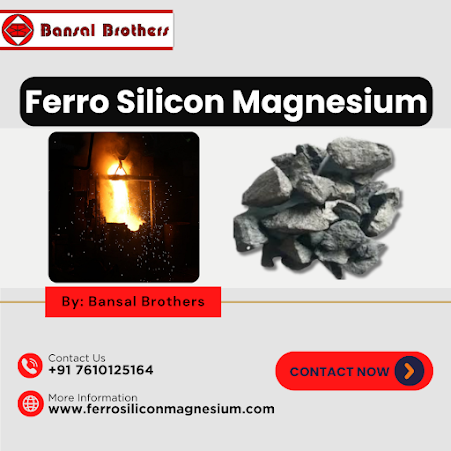
Consistent alloy quality plays a major role in defect reduction. Trusted suppliers like Bansal Brothers, known for supplying high-quality Ferro Silicon Magnesium In India, support foundries by providing alloys with predictable performance and low impurity levels.
Reliable raw materials help stabilize the entire melting and treatment process.
What B2B Buyers Should Look for in a Foundry
From a buyer’s perspective, consistent slag control reflects a foundry’s technical maturity.
Look for partners that:
Prioritize melt cleanliness and process discipline
Use controlled magnesium treatment methods
Source reliable alloys and treatment materials
Invest in gating design and filtration
Maintain transparent quality inspection systems
Such foundries deliver reliable castings with fewer defects and better long-term performance.
Conclusion
Slag inclusion defects in ductile iron castings are preventable, but only through disciplined process control, reliable materials, and technical expertise. Foundries that address slag at every stage—from melting and treatment to pouring and inspection—consistently achieve higher quality and lower rejection rates.
For B2B buyers and OEMs, partnering with technically capable foundries and dependable material suppliers ensures durable, high-performance ductile iron components that meet demanding application requirements.
#MagnesiumCoredWire #FerroSiliconMagnesiumInIndia

Comments
Post a Comment